Boxing
Custom Boxing and MMA Hand Wrap Wristbands: Fight Gym Merchandise GuideRead more

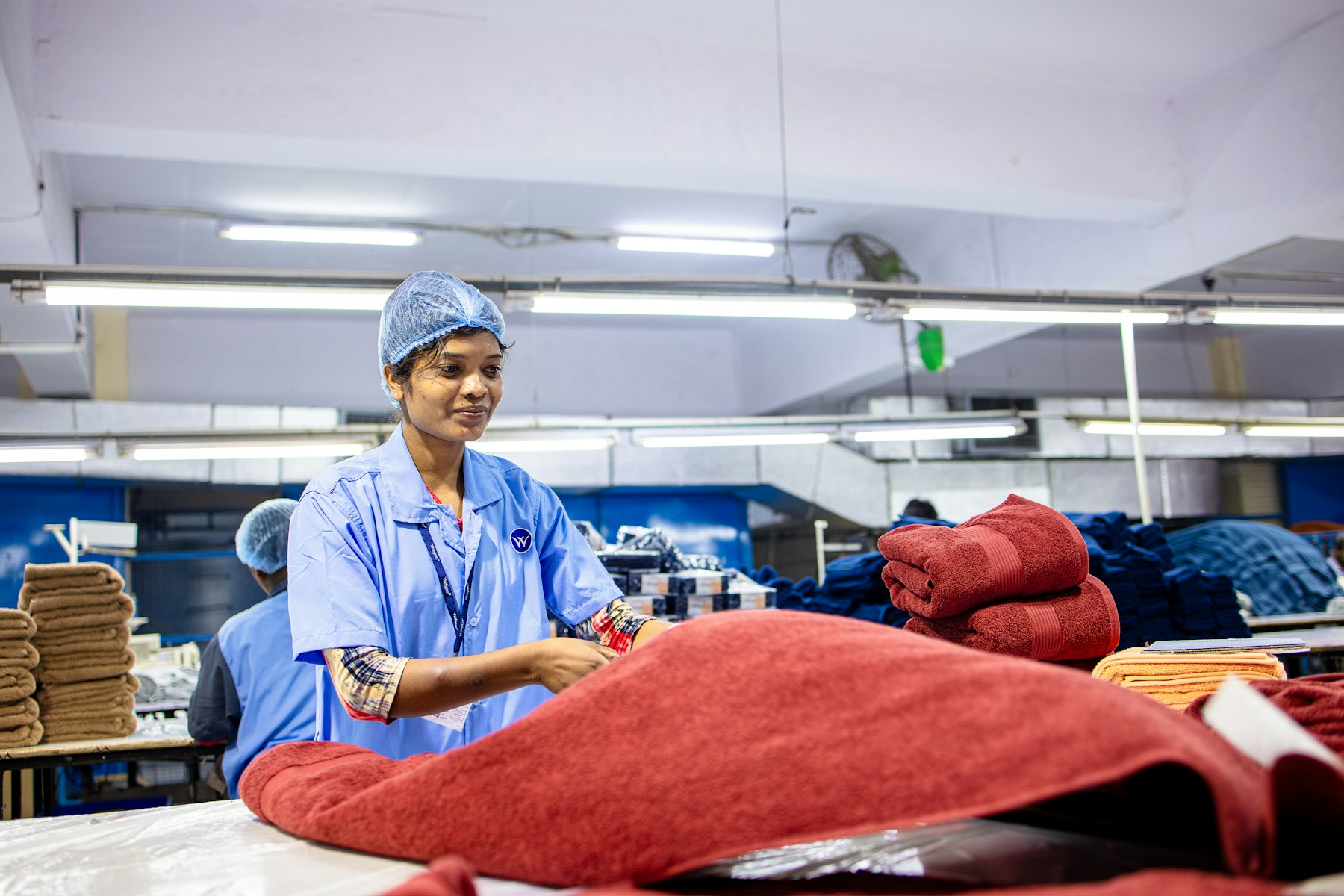
Many buyers use the terms OEM and ODM interchangeably, but they describe different sourcing paths. Understanding the difference helps sports brands, distributors, retailers, and event merchandisers control cost, speed, uniqueness, and risk. For custom headbands, wristbands, sweatband sets, wrist wallets, and NFC wristbands, the best model depends on how much product development your team has already completed.
OEM means Original Equipment Manufacturing. In practice, the buyer provides the product concept, specification, artwork, packaging direction, or technical requirements, and the factory manufactures according to those instructions. OEM is the right choice when your brand needs a unique construction, exact dimensions, special packaging, exclusive materials, or strict retail standards.
For example, a U.S. sports brand may want a custom terry cloth headband with a specific width, Pantone color, 3D puff logo, retail hangtag, and carton labeling format. The supplier then turns those details into samples and bulk production. OEM gives more control but usually requires more decisions from the buyer.
ODM means Original Design Manufacturing. The factory provides an existing product base or proven design, and the buyer customizes it with logo, color, packaging, or minor adjustments. ODM is useful when speed to market matters. Buyers can launch a tested product without starting from a blank page.
ODM works well for promotional campaigns, school sports fundraising kits, tournament merchandise, distributor catalogs, and first private-label launches. It can reduce development time because the base construction is already known.
Many successful buyers use a hybrid model. They start from an ODM base, then add OEM-level changes after market validation. For example, a distributor may begin with standard sweatband sets in three colors, then create a custom woven label, new packaging, and exclusive color palette after sales data confirms demand.
Before starting, ask about sample lead time, bulk lead time, MOQ by color, logo method limitations, packaging options, color matching process, inspection standards, and reorder control. These answers reveal whether the supplier can support your business model beyond the first sample.
Kingspeed supports both OEM and ODM sports accessory projects, helping buyers move from concept to sample, from sample to bulk, and from first order to repeat production.