Boxing
Custom Boxing and MMA Hand Wrap Wristbands: Fight Gym Merchandise GuideRead more

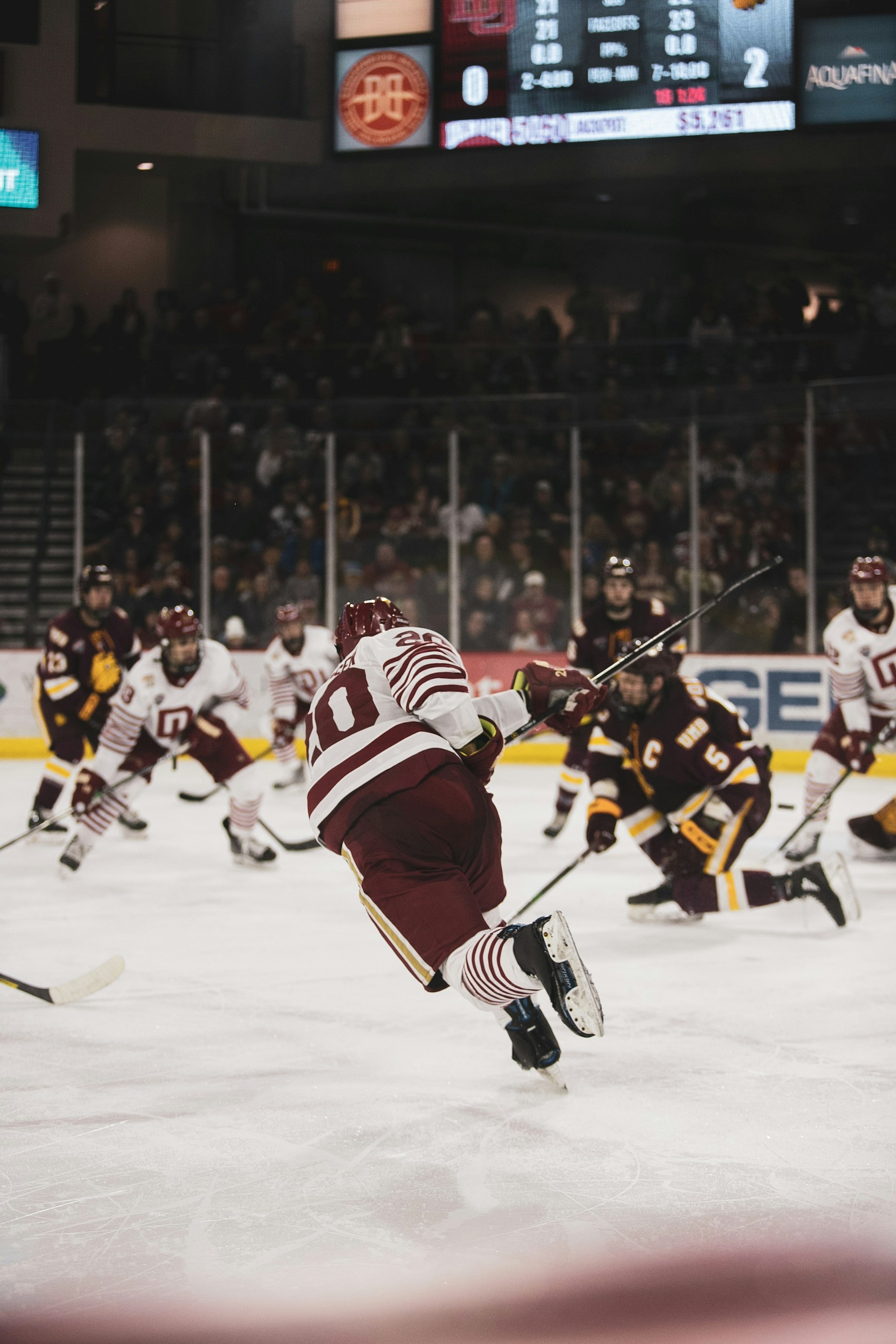
Custom Hockey Team Headbands and Off-Ice Sweatbands is a serious sourcing topic because buyers are not only purchasing a small accessory. For hockey clubs, rink pro shops, off-ice training programs, school teams, fan stores, and tournament sellers, the product can influence team identity, retail value, event memory, participant comfort, sponsor visibility, and repeat-order reliability. A wristband or headband may look simple in a mockup, but production quality depends on material behavior, logo technique, color control, packaging, inspection, and the supplier's ability to repeat approved details.
This guide focuses on training use, winter styling, team packs, logo methods, rink retail displays, and off-ice comfort. Kingspeed Sports supports OEM and ODM development for hockey headbands, off-ice wristbands, training sweatband sets, fan packs, rink shop merchandise, and sponsor accessories, so the advice below is written for buyers who need practical manufacturing decisions. The goal is to help your team move from an idea to a clear specification that a factory can sample, quote, produce, inspect, and ship with fewer surprises.
Start by defining the role of the product. It may be a paid retail SKU, a participant gift, a uniform accessory, a safety campaign item, a subscription-box insert, a sponsor giveaway, or a premium welcome-kit component. Each use case changes the acceptable material, logo size, packaging, price point, and delivery risk. A product made for one-day distribution is different from a private-label item that must earn customer reviews.
Write a short buyer brief before requesting a quote. Include the target user, sport or activity, sales channel, expected wash frequency, launch date, delivery destination, and reorder plan. This information helps the supplier recommend whether to use stock colors, custom dyeing, embroidery, woven patches, jacquard, heat transfer, simple polybags, retail sleeves, or gift-ready packaging.
A flat mockup is not enough for reliable bulk production. Buyers should confirm width, length, circumference, material composition, stretch range, finished weight, logo size, logo placement, label position, packaging dimensions, carton quantity, and carton marks. For wearable accessories, comfort and fit are just as important as the visual design. If the product feels wrong during use, good artwork cannot save it.
The product family for this topic can include hockey headbands, off-ice wristbands, training sweatband sets, fan packs, rink shop merchandise, and sponsor accessories. That range creates opportunity, but it also requires documentation. A zipper wristband needs pocket and seam testing. A kids product needs softer material and safer decoration. A sponsor pack needs logo hierarchy. A subscription-box item must fit the box. Put the requirements in writing before sample approval, not after bulk production starts.
Cotton-rich terry is often selected for classic sweatbands because it feels familiar, soft, and absorbent. Polyester blends can improve drying speed, color brightness, and shape stability. Nylon and spandex can help with stretch recovery and a closer fit. Functional accessories may need zipper testing, pocket depth, reflective trims, NFC chip protection, grip details, reinforced seams, or special packaging inserts.
Material should be judged by the real user scenario. A thick construction may feel premium in hand but uncomfortable under equipment. A very light construction may support low MOQ and lower cost but can reduce perceived value. A premium retail or gift product may justify better materials, while a giveaway may need cost control and fast production. Ask the supplier to explain tradeoffs before finalizing the sample.
Logo method affects appearance, durability, comfort, and cost. Flat embroidery works well for simple names, initials, and bold marks. 3D puff can create a raised look for larger letters. Woven patches are better for small text, sponsor logos, crests, and detailed artwork. Jacquard integrates the design into the fabric and can be strong for higher-volume programs. Heat transfer and screen printing can support campaign graphics but must be tested for stretch and washing.
Always review a physical logo sample on the finished product. Stretch it, wear it, photograph it from normal distance, and compare it with the approved artwork. A logo that looks good on screen may be too stiff, too small, too dense, or too crowded in real use. If multiple logos are involved, define hierarchy so the final product remains readable and wearable.
Sports accessories often depend on team colors, sponsor colors, campaign colors, seasonal drops, or group sorting. A Pantone reference is useful, but the same color can appear different on fabric, thread, patch material, zipper tape, labels, and paper packaging. Approve physical samples when possible and keep records for repeat orders. This is especially important when a program will return next season or expand into new SKUs.
Packaging should be part of the first quote. Polybags, paper sleeves, header cards, hangtags, zipper pouches, gift boxes, barcode labels, insert cards, and carton labels all affect labor, cost, inspection, and customer experience. Sorting matters too. If products are packed by team, size, color, participant group, sponsor, or delivery location, those rules must be written clearly before bulk packing begins.
MOQ changes with material, color, logo method, packaging, and whether the order uses stock colors or custom dyeing. A low-MOQ test order should avoid too many colorways and complicated packaging. A long-term retail SKU should invest more effort in sample approval, color records, packaging files, and inspection standards. Lead time should include artwork review, sample making, buyer comments, bulk production, inspection, packing, and freight.
The biggest risk here is treating hockey accessories like generic summer gear instead of aligning them with rink retail, team colors, and off-ice training. Reduce that risk by sharing the fixed use date, destination, pack type, target quantity, and reorder expectation at the beginning. When the supplier understands the deadline and sales channel, they can recommend a realistic production path instead of only quoting the lowest unit price.
A final inspection should cover dimensions, color, logo placement, stitch quality, stretch recovery, seam strength, odor, linting, packaging quantity, barcode placement, carton marks, and export documents. Functional products need extra checks such as zipper pull, pocket security, grip durability, reflective visibility, NFC read distance, or insert-card fit. Clear inspection rules protect both buyer and supplier.
For repeat programs, keep approved samples, photos, Pantone references, logo files, packaging artwork, carton specifications, and inspection notes together. The first order should create a repeatable production record. Good records make reorders faster, reduce misunderstandings, and help your brand expand from one accessory into a stronger product family.
Kingspeed Sports supports global OEM and ODM buyers with product development, material selection, Pantone color matching, logo techniques, packaging coordination, sample approval, bulk production, quality inspection, and export support for custom headbands, wristbands, sweatband sets, wrist wallets, tactical wristbands, NFC wristbands, and related sports merchandise.