Boxing
Custom Boxing and MMA Hand Wrap Wristbands: Fight Gym Merchandise GuideRead more

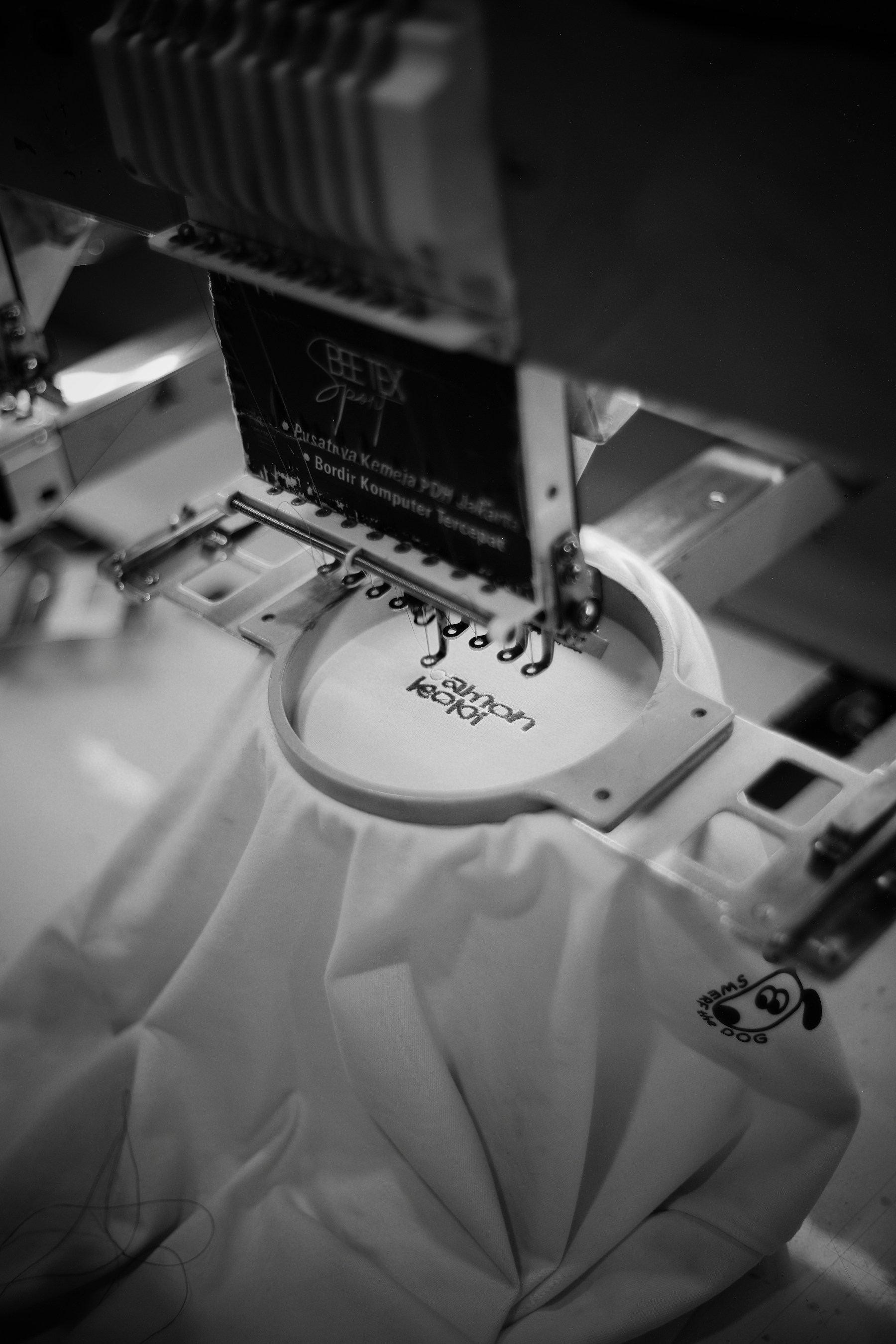
Logo decoration is where a basic sweatband becomes a branded product. For global buyers sourcing custom sports headbands, terry cloth wristbands, sweatband sets, wrist wallets, and team accessories, the right logo technique affects perceived value, readability, durability, and production cost. A good supplier should help you choose the decoration method based on logo complexity, fabric texture, order quantity, target market, and packaging style.
Flat embroidery is the most common choice for sports accessories because it is durable, familiar, and premium enough for retail. It works well for team names, simple icons, initials, and bold brand marks. On terry cloth surfaces, stitch density and backing control are important. Too few stitches can look weak; too many can make the area stiff. For distributors and clubs, flat embroidery is often the best balance of price and long-term performance.
3D puff embroidery adds raised depth by stitching over foam. It is popular for streetwear-inspired sports collections, basketball accessories, and premium club merchandise. This technique works best for thick letters, numbers, and simple shapes. It is less suitable for tiny text or fine-line artwork. If your brand sells in the United States, Canada, or Europe where caps and embroidered sportswear are familiar retail categories, 3D puff can help a sweatband set feel more collectible.
Tatami fill is used when the logo has a larger filled shape. It creates a textured surface and stronger coverage than outline stitching. Buyers should review sample photos from multiple angles because terry cloth pile and stitch direction can change how the logo reflects light. For retail packs, confirm that the logo looks consistent across headbands and wristbands inside the same set.
When a logo includes small lettering, thin lines, or multi-color details, a woven label may be better than embroidery. Woven labels can be applied to headbands, wristbands, wrist wallets, and packaging. They create a clean brand signature and are efficient for private-label programs with many SKUs. For premium brands, a woven label paired with a matched hangtag or retail sleeve can improve shelf presentation.
Some buyers use a mixed approach: embroidery for the main logo, a woven label for size or collection identity, and heat transfer for limited campaign graphics. This is useful for event merchandise, tournament packs, and seasonal collections. The key is to avoid over-decorating the product. A clear hierarchy keeps the accessory looking professional.
For OEM and ODM sports accessory buyers, logo technique should support both brand identity and manufacturing repeatability. Kingspeed helps buyers compare embroidery, woven labels, patches, heat transfer, screen printing, and jacquard options before production.