Rowing
Custom Rowing Team Headbands and Wristbands: Crew Buyer GuideRead more
Compare samples with the same measured wetting and retention procedure, then validate the winner during the sport for which it is sold. This is the short answer for buyers searching for sweatband absorbency test. The right specification depends on who wears the product, how it is used, which features a customer expects, and how the finished order will be inspected. A photo or material name can begin a discussion, but neither gives a factory enough information to produce the same result twice. This guide explains the decisions that turn the idea into a repeatable OEM or ODM product.
Define whether the product is for team training, paid retail, event merchandise, promotional distribution, or a repeat wholesale program. Ask how often it will be worn and washed, what equipment it touches, and whether fit or decoration is the strongest purchase driver. For sweatband absorbency test, these details change what good performance looks like. A team manager may prioritize uniform appearance and sorting; a retail brand may prioritize long-term comfort, packaging, and consumer reviews.
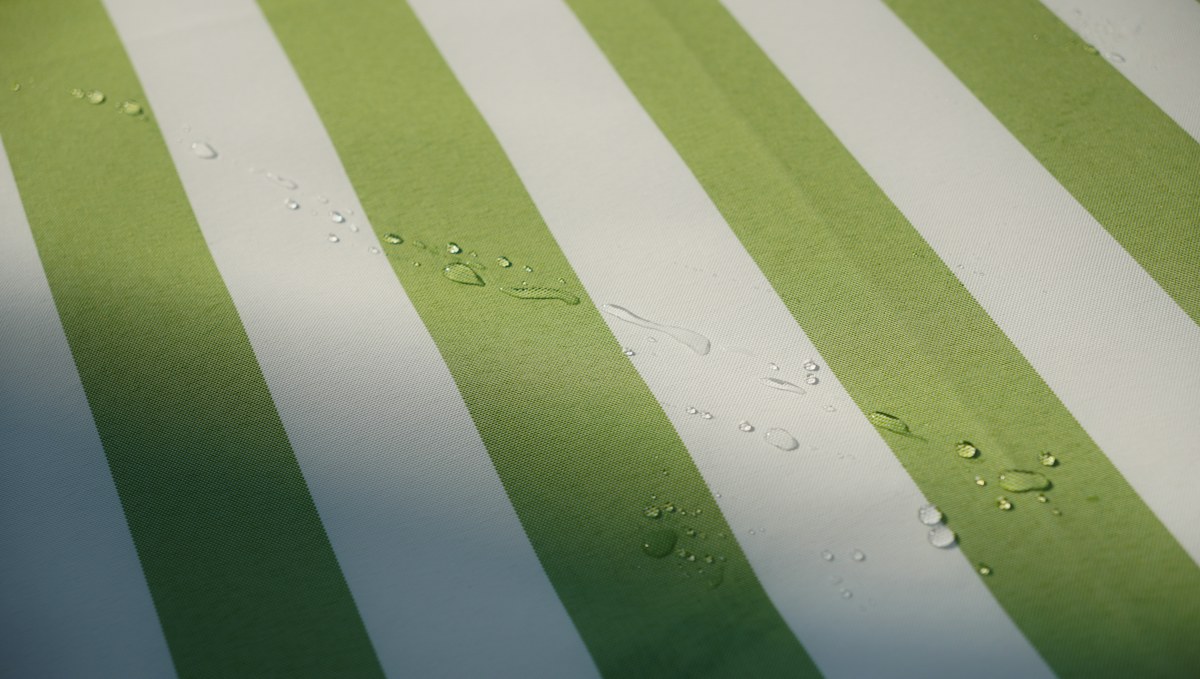
Absorbency has more than one meaning: initial wetting speed, total water held, and comfort after saturation can differ. Buyers should pick a test that reflects use instead of comparing only fabric composition.
Record dry sample mass, the liquid amount and application method, time to wet, mass after controlled drainage, and the sample area. Include finished product dimensions so a larger band does not appear better solely because it contains more fabric.
The technical sheet should state each dimension, its measurement point, unit, tolerance, and whether it is measured relaxed, stretched, washed, or packed. Add front, back, inside, and edge photographs with notes. Include fiber content, yarn or fabric construction where known, logo files at actual size, label copy, color reference, and pack configuration. If the product has a closure or electronic part, mark its exact location. These details let a supplier quote and an inspector check the same article.
For sweatband absorbency test, decoration must be part of the wear test. Dense embroidery can stiffen an otherwise flexible panel. A patch can hide a seam or create a scratchy edge. Printed labels may feel flat but need to survive stretch and laundering. Ask to see logo placement at normal viewing distance and test how it looks when the product is worn. Keep logo dimensions and thread or print colors in the technical pack so the bulk run does not drift from the approved sample.
Test several samples from each proposed construction under the same conditions. Repeat after washing and note whether dye, finish, or decoration changes wetting. Pair bench results with a short wear trial.
Write down the test conditions before running the test: sample revision, number of pieces, measurement method, equipment or wearer conditions, duration or cycles, and pass criteria. Take before-and-after photos under similar lighting. If a laboratory method is relevant, agree its exact name and edition with the test provider; if a practical wear trial is more useful, record who participated and the conditions without making unsupported scientific claims. The purpose is a decision that can be repeated, not a certificate collected only for a sales page.
Review fabric, embroidery thread, patches, labels, and paper packaging together under consistent lighting. A color code is a target, but the same shade can appear different on a raised terry surface, a smooth woven label, and a glossy card. State whether small variation is acceptable and whether different dye lots may be packed together. For team programs, provide a sorting matrix by color, size, name, or delivery site before the factory begins packing.
MOQ often changes with yarn, custom dyeing, logo method, component sourcing, and packaging. Ask the supplier which part sets the minimum for this exact specification. A low-volume trial may work with fewer colorways or standard materials; a repeat retail line may justify custom tooling, more testing, and more detailed packing. Compare total landed cost where possible, including sampling, setup, inspection, inland movement, freight, and destination charges, instead of comparing the factory unit price alone.
A plush hand feel can be mistaken for high absorption even when the surface resists wetting or dries slowly.
Before shipment, inspect representative finished units for dimensions, color, seam quality, stretch, logo placement, labels, packaging count, visible damage, and the topic-specific function described above. Define defect categories and the sampling plan before inspectors arrive. After delivery, retain the signed sample, material and color records, artwork, test results, inspection report, and shipment details under the same SKU. For a reorder, compare every proposed input change with the approved version before accepting it.
Compare samples with the same measured wetting and retention procedure, then validate the winner during the sport for which it is sold. The decision should be confirmed on a finished sample, with measurements and the intended use conditions recorded. If two versions pass, select the one that best balances comfort, clarity, cost, and repeat production rather than treating a single material claim as decisive.
Send a one-page brief with the target user, product drawings, intended material or comparison sample, quantity, color and logo files, delivery destination, launch date, and the main question about sweatband absorbency test. Ask for assumptions to be listed in the quote. Kingspeed Sports can then discuss a concrete OEM or ODM sampling route, the likely approval steps, and the checks needed before bulk production.